HIPAA-Compliant MSP: How to Choose the Right Healthcare IT Partner

What makes an MSP HIPAA-compliant? A HIPAA-compliant MSP meets the technical, administrative, and physical safeguard requirements of the HIPAA Security Rule for all ePHI they handle, signs a Business Associate Agreement before accessing patient data, and can demonstrate compliance through documented policies, audit logs, and third-party certifications like SOC 2 Type II. Healthcare organizations handle … Read more

Healthcare SRA vs. Risk Assessment: What Is the Difference and Why It Matters

What is an SRA in healthcare? A Security Risk Assessment (SRA) in healthcare is a mandatory HIPAA evaluation of risks to electronic Protected Health Information (ePHI). It identifies where ePHI is stored and transmitted, assesses threats and vulnerabilities, evaluates existing safeguards, assigns risk levels, and produces a prioritized remediation plan. The HIPAA Security Rule requires … Read more

Compliance Consulting for Automotive Dealerships Facing New Data Privacy Rules

Team reviewing security audit results on screen, illustrating compliance consulting for automotive dealership data privacy rules

Automotive dealerships across the U.S. are navigating a wave of evolving data privacy and cybersecurity regulations. From the revised FTC Safeguards Rule to a growing patchwork of state-specific privacy laws, compliance expectations are not only more stringent—they’re more complex. For many dealership leaders, keeping up with these shifts while managing day-to-day operations is becoming increasingly … Read more

Managed Detection & Response vs Traditional AV: What Mid-Market IT Leaders Need to Know

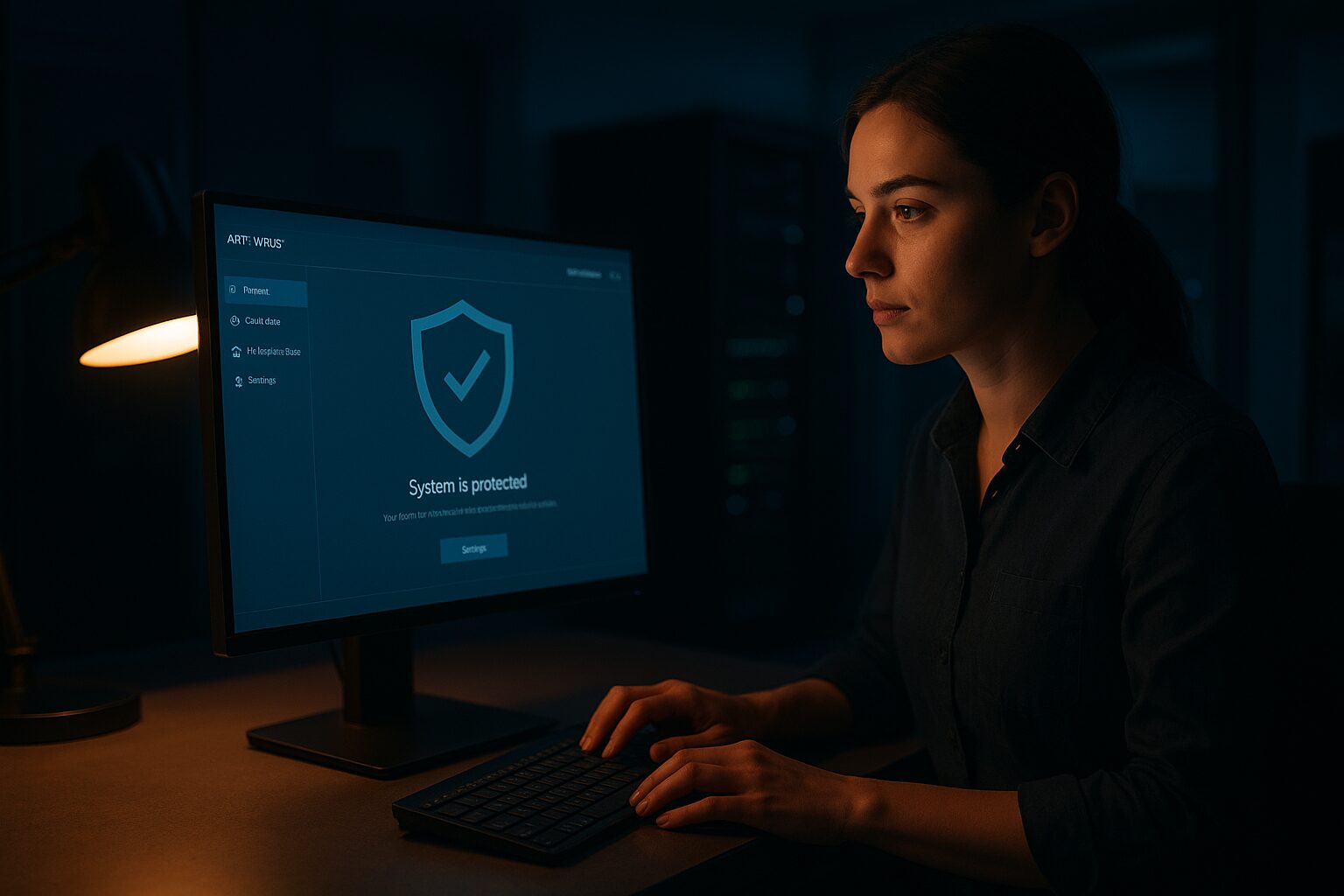
Woman in dark office using antivirus software on a desktop computer, illuminated by a warm desk lamp with a cool-toned tech backdrop.

If you’re a mid-sized business, here’s a hard truth: you are squarely in the crosshairs of cyber attackers. For years, many assumed hackers only cared about big enterprises with deep pockets. But the data tells a different story. According to IBM’s 2024 Cost of a Data Breach Report, mid-sized companies now face average breach costs … Read more

Why Virtual Desktops Are Becoming the Default for Mid-Market IT

Woman using Virtual Desktop

Why are virtual desktops becoming the default for mid-market IT? Mid-market businesses are adopting virtual desktops because they solve two problems at once: rising hardware costs and the security risk of unmanaged endpoints. Mid-market IT leaders face enterprise-level challenges with smaller teams and tighter budgets. From supporting hybrid work to tightening security, traditional desktop setups … Read more

Endpoint Management Best Practices for Mid-Market IT Teams

Mid-market IT leaders know the juggling act all too well: managing hundreds or thousands of laptops, phones, and tablets (many of them personal BYOD devices) with a lean team and limited budget. The shift to hybrid work has only heightened this challenge—employees now log in from home offices, coffee shops, and everywhere in between. Each … Read more

SD-WAN for Multi-Site Manufacturing Plants

Alt text: Manufacturing plant manager using a tablet with Meriplex cloud network diagram connecting multiple factory sites, representing SD-WAN connectivity for multi-site manufacturing operations

In today’s manufacturing sector, IT leaders face the daunting task of connecting numerous plants, warehouses, and remote facilities into one cohesive, secure network. Traditional WAN architectures struggle to keep up with this demand. Each new factory or site added often meant installing new hardware and complex configurations, making legacy networks unwieldy and hard to scale. … Read more

Virtual Desktops for Architecture Firms: Cut Costs & Boost Security

Architect reviewing building design renders and blueprints on a workstation representing virtual desktop infrastructure supporting architecture firm workflows and data security

Why do architecture firms need virtual desktops specifically? Architecture firms run GPU-intensive CAD and BIM software that standard remote setups struggle to support securely. Virtual desktops centralize that processing power and keep large project files off individual laptops. Virtual desktops—also called Virtual Desktop Infrastructure (VDI)—allow your team to securely access design software, project files, and … Read more

Why a Security-Focused MSP is the Smartest Choice for Mid-Market IT

Mid-market business leader reviewing cybersecurity strategy with a security-focused MSP team

Mid-market business leaders know the feeling: you’re constantly putting out IT fires, juggling multiple vendors, and hoping nothing critical slips through the cracks. In an era of relentless cyber threats and complex IT demands, having separate providers for IT and security can leave dangerous gaps. Having a single partner with a security-first approach can close … Read more

How to Vet a Healthcare SRA Provider: 5 Criteria That Matter

IT security consultant reviewing a low risk score on a security dashboard with a healthcare administrator during an SRA provider evaluation meeting

Why the SRA Requirement Is Non-Negotiable for Healthcare Providers How do you choose an SRA provider for a healthcare organization? Choosing an SRA provider for healthcare requires evaluating five criteria: healthcare-specific expertise including familiarity with EHR platforms and clinical workflows, a comprehensive methodology covering HIPAA’s three safeguard categories, clear reporting that produces actionable findings not … Read more